




Carton problems often appear after sampling, during production, long-distance shipping, or warehouse stacking. Incoming inspection should translate “the sample looks good” into measurable and traceable requirements that procurement, suppliers, and warehouses can all apply.
Build an inspection table that people can execute
Inspection points usually fall into four groups: dimensions and structure, board strength, appearance and print, and packing and delivery. The first group covers inner and outer dimensions, score lines, opening direction, and erected shape. The others cover strength values, crushed flutes, delamination, stains, print shift, and delivery condition.
Each point needs a method, sample size, and acceptance rule. “Good quality” is not a test method. A defined measurement basis and tolerance are what make repeat orders consistent and disputes easier to resolve.
How to read the main strength indicators
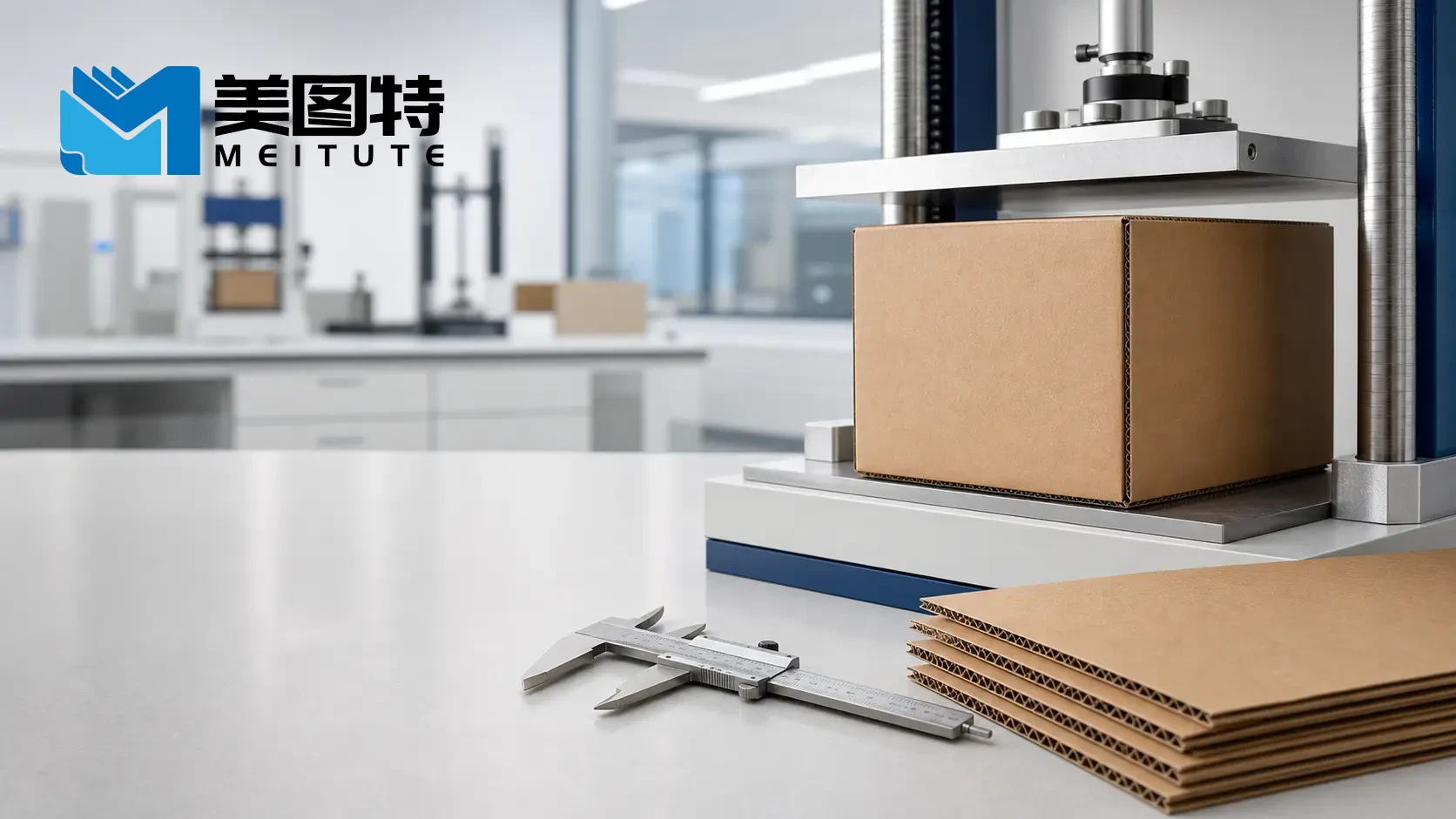
Edge Crush Test (ECT) reflects the board’s resistance to edgewise compression and is closely related to stacking performance. Burst strength focuses more on resistance to puncture and rupture. Box compression is the result for the erected carton under defined conditions, and is also affected by dimensions, moisture, openings, and stacking method.
- Do not use one laboratory value as a substitute for transport validation, especially for large or irregular cartons.
- Define sample conditioning, including temperature, humidity, erection, and closure method.
- Relate laboratory results to stacking height, storage time, and actual shipping conditions.
Carry the approved sample standard into every batch
For incoming batches, start with quick visual and dimensional checks, then sample board or erected-carton strength according to risk. For repeat suppliers, retain the approved sample, test records, defect photos, and corrective actions in a traceable quality file.
Inspection is not only a way to reject nonconforming cartons. It also gives suppliers a clear target before production, turning delivery quality from an after-the-fact check into process control.

